
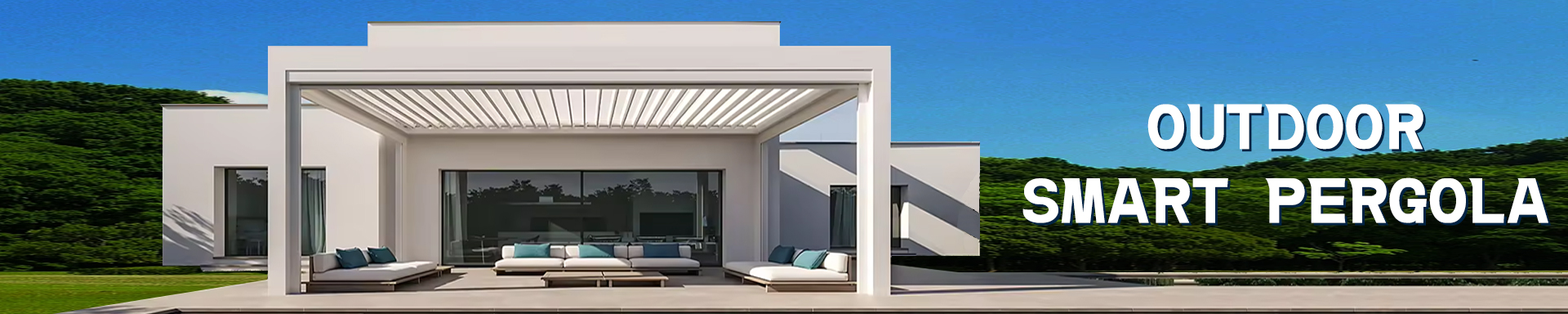
Installing a modern metal carport provides long-term durability, corrosion and weather resistance, and low maintenance, with aluminum or steel structures lasting 25–40 years while protecting vehicles from rain, snow, and UV damage. They cost 30–40% less than a traditional garage, install quickly, and can be expanded or relocated. Drawbacks include limited insulation, potential rain noise, and higher upfront costs for premium materials or professional installation, but modern finishes and custom options help address aesthetic concerns, making metal carports a smart, practical investment for homeowners seeking protection and longevity.
1. Key Advantages of Modern Metal Carports
Modern metal carports have become one of the most practical solutions for both residential and commercial spaces, offering a perfect blend of strength, simplicity, and modern aesthetics. They’re not just about keeping your car shaded; they redefine outdoor storage with long-term durability and low ownership costs that other materials simply can’t match.
1.1 Long-Term Durability and Weather Resistance
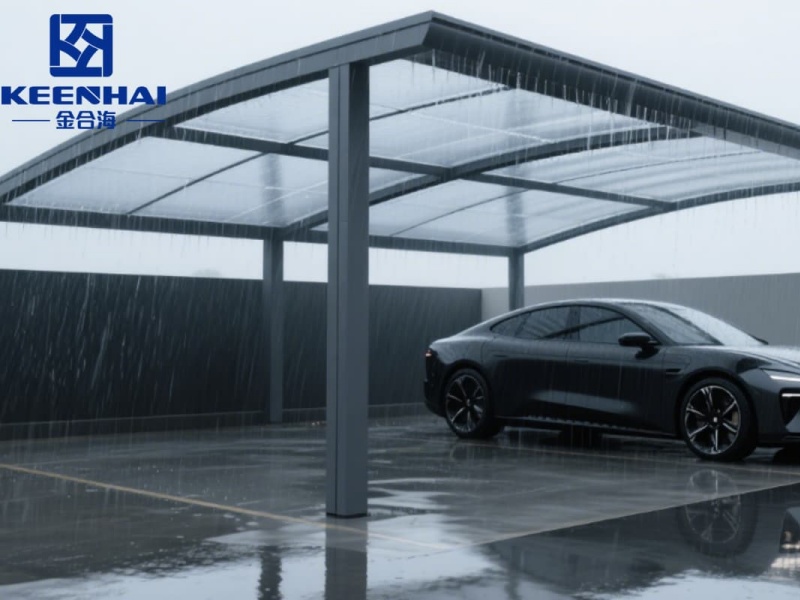
One of the biggest reasons people invest in metal carports is their exceptional durability. High-quality aluminum and galvanized steel frames can withstand decades of exposure to harsh sun, rain, and snow without warping or cracking. Most modern designs come with powder-coated finishes, which means the surface stays resistant to corrosion, rust, and fading—even in coastal areas where salt in the air usually eats through paint within a year.
In regions with heavy snow loads, these structures can support up to 150 kilograms per square meter, while in hot desert climates, they resist thermal expansion and structural deformation. This makes them far more reliable than wooden or vinyl alternatives, which need constant repainting or replacement after just a few seasons.
| Material | Lifespan | Corrosion Resistance | Maintenance Frequency | Average Roof Load |
|---|---|---|---|---|
| Aluminum Alloy | 20–30 years | Excellent | Every 2–3 years | 120–150 kg/m² |
| Galvanized Steel | 25–35 years | Very Good | Every 1–2 years | 150–180 kg/m² |
Thanks to these properties, a well-constructed metal carport can easily last two to three decades while maintaining its structural integrity and clean appearance.
1.2 Low Maintenance and Cost Efficiency
Modern metal carports are designed to make your life easier. Unlike wooden shelters that demand sanding, sealing, and pest treatment almost every year, a metal structure only needs occasional rinsing and simple joint checks.
Typical upkeep involves three steps:
-
Wash the surface with water to remove dirt and dust every few months.
-
Check and tighten bolts or screws once a year.
-
Apply protective wax or coating every 2–3 years in humid areas.
This low maintenance requirement keeps annual costs under $100, even for large carports, while traditional materials can cost four to five times more in upkeep over the same period. The long-term savings become especially significant for multi-vehicle households or businesses managing large parking areas.
1.3 Quick Installation and Design Flexibility
Speed and flexibility are two other major strengths. Most metal carports arrive in prefabricated modular kits, which means two installers can complete the setup in a day or two, depending on size.
A standard installation process goes like this:
-
Level and prepare the ground with a solid concrete base.
-
Bolt together the main support frames and crossbeams.
-
Attach roof panels and seal edges with weatherproof strips.
Because there’s no need for complex foundations or permits like a traditional garage, the process is faster, cleaner, and much less disruptive.
Another advantage is design flexibility. You can easily choose roof styles—flat, gabled, or curved—to match your building’s architecture, or expand the carport later by adding side walls or storage panels. This modularity allows both homeowners and commercial users to adapt their setup as their needs change, without replacing the whole structure.
Modern metal carports are essentially a one-time investment for long-term value. They combine resilience, efficiency, and style—offering reliable protection that lasts decades while complementing any modern property design.
2. Drawbacks to Consider Before Installation
Despite their practical appeal, modern metal carports aren’t flawless. Understanding their downsides helps you make a smarter decision before committing to installation. Here’s what most homeowners and contractors usually notice when evaluating the limitations of these sleek metal structures.
2.1 Limited Insulation and Temperature Control
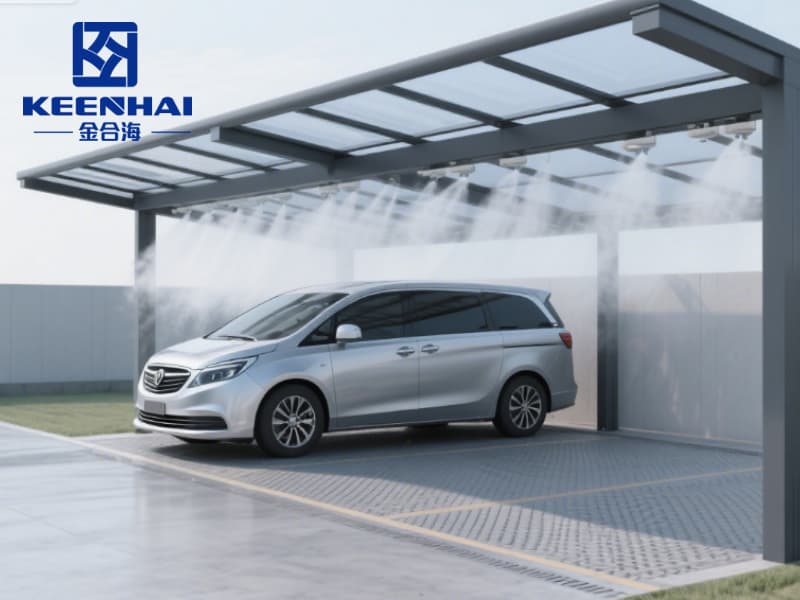
Metal conducts heat and cold far more efficiently than wood or composite materials. In hot climates, the roof of a modern metal carport can easily reach temperatures above 140°F (60°C), radiating heat onto vehicles and stored equipment. During winter, the opposite happens — metal traps cold and transfers it downward.
If temperature regulation is a concern, adding insulation layers under the roofing panels can help, though it raises the total cost by around $6–$10 per square foot. Some property owners also integrate vented roof panels or polycarbonate skylights to balance heat without overloading the structure.
2.2 Potential for Condensation and Corrosion
Metal naturally attracts condensation, especially when there’s a large temperature difference between inside and outside surfaces. Over time, moisture can accelerate rusting on exposed joints and bolts. To prevent this:
-
Always ensure proper roof ventilation and airflow between panels.
-
Apply zinc or powder coatings that improve corrosion resistance.
-
Maintain a regular cleaning schedule — especially in coastal regions where salt exposure can shorten lifespan by nearly 30%.
For areas with frequent humidity, some builders prefer upgrading to a Heavy-duty Aluminum Carport, since aluminum doesn’t rust like steel and demands less long-term maintenance.
2.3 Aesthetic Limitations Compared to Traditional Structures
While metal carports score high in functionality, they often lack the warmth or architectural charm of wood-framed garages. Their clean industrial lines may not blend with every home style — especially in suburban areas with brick or stucco exteriors.
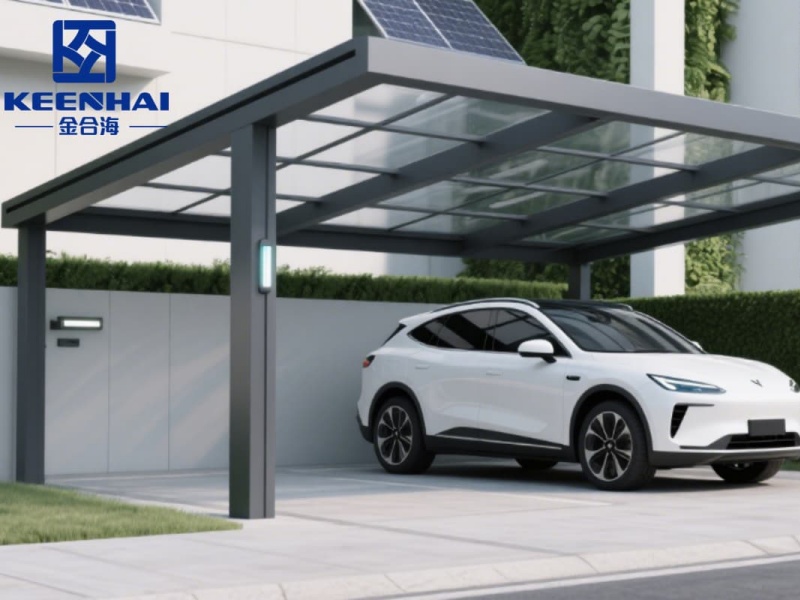
However, newer custom aluminum designs allow for powder-coated finishes, integrated LED lighting, and color-matched trims that soften the metallic look. Some homeowners even combine wood-like aluminum panels or minimalist pergola edges to elevate the exterior style without sacrificing durability.
3. Cost Implications: Upfront vs Long-Term Value
When evaluating a modern metal carport, it’s not just about the sticker price — long-term maintenance, performance, and property value also shape the true cost of ownership. Let’s break down how upfront and lifetime expenses differ, and why investing wisely can deliver stronger returns over time.
3.1 Initial Purchase and Installation Costs
The initial investment for a modern metal carport typically ranges from $2,500 to $9,000, depending on dimensions, roof design, and add-ons such as lighting or gutter systems. A prefabricated model is generally the most affordable, while a Custom Aluminum Carport with personalized sizing and color finishes can raise the total cost by 20–30%.
Installation costs vary based on region and site conditions. For a standard 20×20 ft structure, professional setup usually adds $1,000–$2,000, including concrete anchors and leveling. Homeowners who choose DIY assembly can save on labor but must handle precise measurements, drilling, and sealing to prevent structural issues later.
| Type | Average Cost (USD) | Typical Installation Time | Notable Benefit |
|---|---|---|---|
| Prefabricated Steel Carport | $2,500–$5,000 | 1–2 days | Fast setup, budget-friendly |
| Custom Aluminum Carport | $6,000–$9,000 | 3–4 days | Tailored fit, premium aesthetics |
3.2 Maintenance, Repairs, and Replacement Over Time
While the upfront price may seem higher than wood or vinyl alternatives, the maintenance costs of a metal carport are significantly lower in the long run. Basic upkeep involves periodic cleaning, screw tightening, and inspecting the joints for rust or leaks.
A high-quality coating can extend lifespan by 20+ years, and aluminum versions require even less care. Owners who install a Heavy-duty Aluminum Carport often report fewer corrosion problems and lower repainting expenses compared to galvanized steel.
If minor repairs occur — such as replacing roof panels or damaged brackets — average annual maintenance stays around $100–$200, which is notably less than maintaining a traditional wooden garage.
3.3 Return on Investment and Property Value Impact
Adding a modern metal canopy boosts functionality and curb appeal without demanding a permanent foundation, making it an attractive feature for potential buyers. Studies from U.S. home improvement data (2024) show that well-designed aluminum carports can recover 65–75% of their installation cost when reselling a property.
Moreover, these structures can indirectly save homeowners money by protecting vehicles from UV exposure, hail, and rust — cutting potential car maintenance costs by $300–$500 annually. For commercial properties, a Commercial Aluminum Carport can enhance tenant satisfaction and justify higher lease rates due to improved parking protection and aesthetics.
4. Installation Options and Practical Challenges
4.1 DIY Installation vs Hiring Professionals
Installing a heavy-duty aluminum carport might look simple on paper, but precision is key. DIY installation appeals to homeowners who want to save costs and customize every step. However, it requires proper tools, exact measurements, and a level surface. Hiring professionals ensures a secure structure with optimal drainage and alignment. For large structures or windy areas, professional installation not only saves time but also prevents costly mistakes like frame misalignment or weak anchoring.
4.2 Site Preparation and Structural Requirements
Before setting up your aluminum pergola, inspect the surface for stability and slope. Concrete pads or reinforced decks are ideal bases to handle heavy loads. Anchor bolts must meet local building codes to prevent structural movement. In coastal or rainy regions, proper waterproofing and drainage systems are crucial to extend lifespan. Always check the manufacturer’s installation manual to ensure compatibility between the frame, columns, and roofing system before assembly.
4.3 Regional Climate Considerations
Climate has a direct impact on the performance and durability of your aluminum carport. In snowy regions, ensure the structure is rated for snow loads of at least 30–50 lbs/ft² to prevent sagging. For high-humidity or seaside environments, powder-coated finishes are essential to resist salt corrosion. In hot climates, consider installing adjustable louvers or UV-resistant roofing to reduce heat buildup. Tailoring your installation to local weather ensures long-term safety and minimal maintenance costs.